


Secret SEAL Mission in North Korea Ends With Civilian Deaths
- Редакция «Сегодня в эфире»
- Sep 6, 2025
- 3 min read

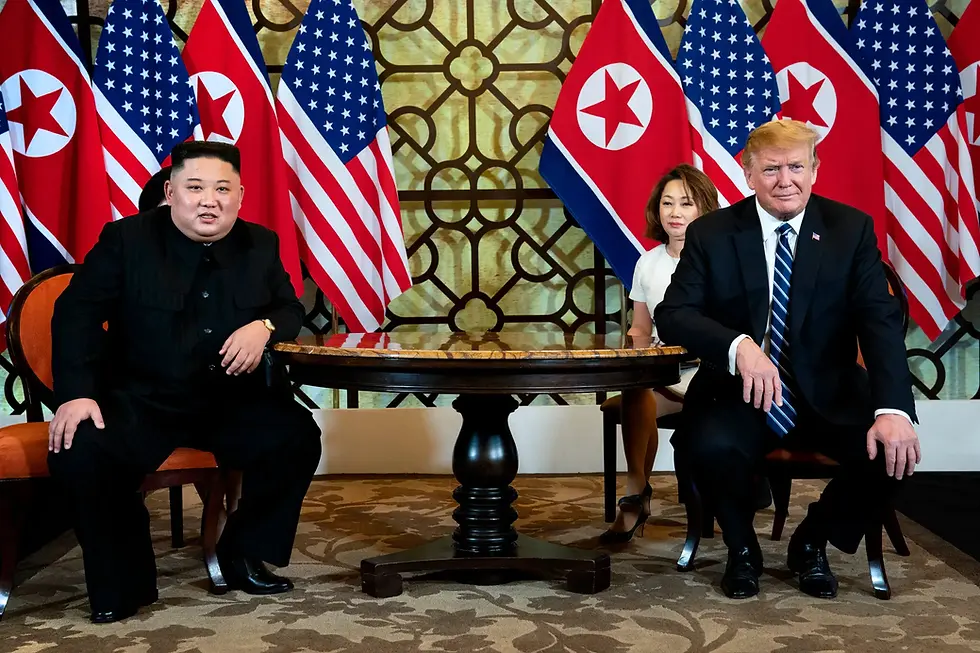
In early 2019, the United States carried out a covert military operation on North Korean soil, personally authorized by President Donald Trump.
The mission, intended to provide Washington with unprecedented access to Kim Jong-un’s communications, ended abruptly when Navy SEALs shot and killed several unarmed North Koreans and withdrew without completing their assignment.
The plan was among the riskiest attempted in recent years. SEAL Team 6’s Red Squadron, the unit best known for killing Osama bin Laden, was tasked with the operation. Working alongside SEAL Delivery Vehicle Team 1, they were to use nuclear submarines and mini-subs to secretly land on North Korea’s coast.
Their objective was to install an electronic device that U.S. intelligence believed could intercept the private communications of Kim Jong-un during ongoing nuclear negotiations with Trump.
The stakes were exceptionally high. A successful mission promised invaluable intelligence, but discovery risked a diplomatic crisis, hostage-taking, or even direct conflict with a nuclear-armed adversary.
For this reason, the plan required Trump’s direct approval. According to people familiar with the matter, the White House did not brief congressional intelligence leaders either before or after the operation, raising questions of legality.
The mission unfolds
After months of rehearsals in U.S. waters, the submarines carrying the SEALs reached the North Korean coast in winter 2019. The team departed their mini-subs in frigid 40-degree water, wearing night-vision goggles and heated wetsuits, and swam silently to shore with the device.
Planners had studied satellite imagery and fishing patterns for months, selecting a time when the area was expected to be deserted.
But once ashore, the SEALs spotted a small North Korean boat nearby.
From the subs, the vessel still appeared to be at a safe distance, but those on the beach saw it moving closer, shining flashlights across the water.
With communications blacked out to avoid detection, there was no way for the team on shore and the mini-sub pilots to coordinate.
A North Korean man entered the water, heightening fears of discovery. Believing the mission compromised, the senior SEAL on land gave the silent order to fire. Within seconds, the boat’s crew — reportedly two or three men, likely civilian shellfish divers — were dead.
The SEALs confirmed the deaths, then concealed the bodies in the water. According to sources familiar with debriefings, the commandos even punctured the lungs of the victims to ensure the corpses would sink and remain undiscovered. The device was never planted.
Immediate withdrawal
The team sent a distress signal, and the larger nuclear submarine moved dangerously close to shore to retrieve them.
All U.S. personnel escaped unharmed. Shortly afterward, U.S. satellites observed heightened military activity in the area, but North Korea never publicly acknowledged the deaths.
The failed operation was classified and concealed from Congress. Internal military reviews later concluded that the killings fell within the rules of engagement but noted that the mission collapsed due to a series of small errors and unpredictable events.
Many involved were subsequently promoted.
Diplomatic aftermath
The mission occurred just weeks before Trump’s February 2019 summit with Kim Jong-un in Hanoi. That meeting ended without agreement, and by May North Korea had resumed missile tests.
Later that year, Trump briefly met Kim in the Demilitarized Zone, but no progress followed. U.S. intelligence now estimates North Korea possesses around 50 nuclear warheads and the capacity to build dozens more.
Under President Joe Biden, Defense Secretary Lloyd Austin ordered an independent review of the incident, and key members of Congress were privately briefed in 2021. The findings remain classified.
Broader concerns
The North Korea mission fits into a larger pattern of high-risk operations by SEAL Team 6.
While the unit has carried out celebrated successes, such as the bin Laden raid, it has also suffered failures, including civilian casualties in Yemen, Afghanistan, and elsewhere.
Critics within the military argue that secrecy around such missions hides their dangers from public scrutiny and policymakers.
The 2019 operation highlighted both the strategic blind spots U.S. intelligence faces in North Korea and the extreme risks that accompany attempts to overcome them.
It also underscored the fragility of Trump’s direct diplomacy with Kim — efforts that ended without curbing Pyongyang’s nuclear ambitions.


